The Art of Seeing
On wabi-sabi, Arjuna, and the quiet power of perspective
In 1467, the Ōnin War broke out in Kyoto. What began as a conflict between two clans eventually fractured the entire capital. Buildings burned, families fled, and for a decade the city remained in a state of ruin. Yet during this same time, in quiet tea houses and gardens hidden behind collapsed walls, a new aesthetic began to emerge. Artists, monks, and thinkers started to appreciate simplicity, imperfection, and the quiet dignity of things that endure. This gave rise to wabi-sabi and the Japanese tea ceremony as we know it.
Two realities existed in the same city. One saw destruction. The other discovered beauty inside the ruins.
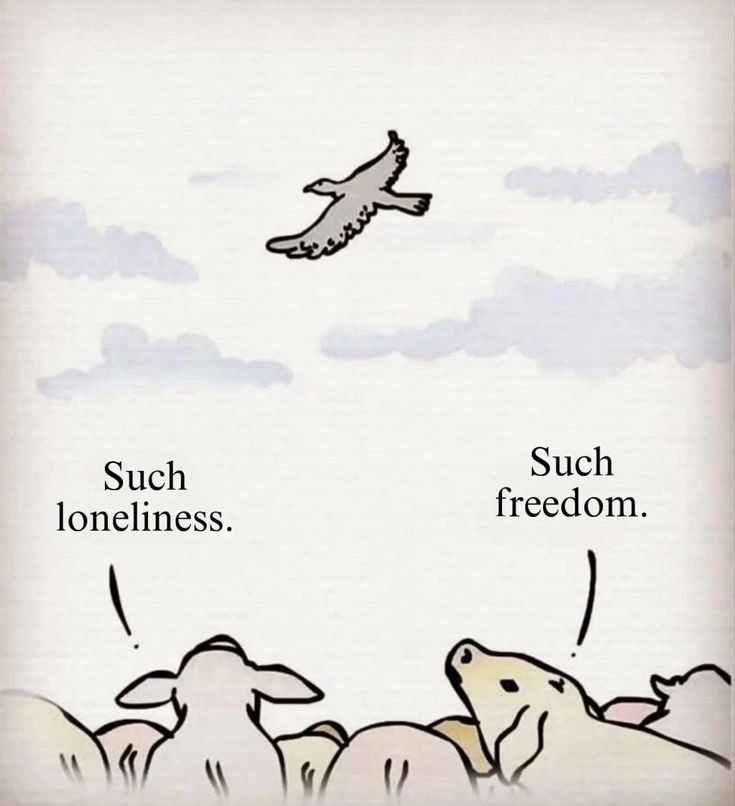
Perspective is everything.
We often believe that events define us. Work delays, heartbreaks, disappointments, missed opportunities. Yet the meaning of any moment lives in how we choose to look at it. The same situation can feel like collapse for one person and revelation for another.
In the Gita, Arjuna looked at the battlefield and saw despair. Krishna looked at the same field and saw duty, clarity, and the chance to understand the nature of the self. The scene did not change. The seeing did.
A traveler once wrote that when you climb a mountain, the world below remains the same. Only your eyes rise. The higher you go, the more sense the landscape begins to make.
Life moves in the same rhythm. Some days we stand too close to our difficulties, and everything appears overwhelming. When we step back, a new language emerges. Patterns become visible. Choices appear. Breath returns.
Perspective is not escape. It is awareness. It is the ability to understand that every experience can hold more than one meaning.
The world will continue to shift around us. Seasons of chaos will come again. The invitation each time is the same.
Choose where you stand. Choose how you see.